
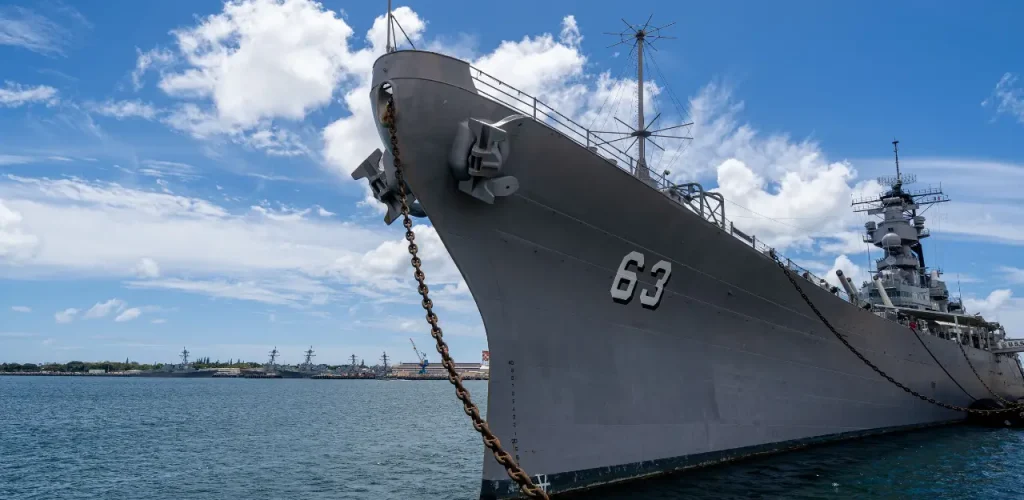
Many Navy veterans and their families do not realize the danger posed by asbestos exposure in Navy shipyards. These shipyards were once a hub for shipbuilding and maintenance, and also a hotspot for asbestos use. Today, decades later, that hidden risk continues to affect veterans who worked or served near insulation, boilers, pipes, and other asbestos‑containing materials.
Why Navy Shipyards Were a Major Source of Asbestos

Navy shipyards historically used asbestos extensively because of its fire‑resistant and insulating properties. Workers in these yards handled insulation, gaskets, pumps, valve coverings, boilers, and pipe lagging. The dangerous fibers could become airborne during maintenance or repairs.
This widespread use created what many experts now call a high-risk environment. As the War Related Illness and Injury Study Center notes, Navy veterans who worked in engine rooms, handled asbestos paste, or removed damaged asbestos lagging were particularly at risk.
Which Navy Jobs and Shipyard Roles Faced the Greatest Risk
The Navy shipyard asbestos risk was most pronounced for service members and workers whose duties involved direct contact with asbestos materials. These included:
- Boilermakers, who worked on boiler insulation and gaskets.
- Pipefitters and steamfitters, who handled lagging on hot pipes.
- Machinist’s mates and electricians, operating in tight compartments.
- Insulators and repair workers are involved in retrofitting older vessels.
Shipyard workers often worked in confined spaces below decks, which meant poor ventilation combined with the constant disturbance of old insulation.
Long-Term Health Risks for Shipyard‑Exposed Veterans
The health effects from asbestos are not always immediate. For many veterans, it takes decades before symptoms appear; a characteristic called “latency.” Mesothelioma, lung cancer, and asbestosis are among the most serious risks.
Because of that latency, shipyard-related asbestos illness often shows up long after service. In fact, certain high-risk roles in shipyards have led to a disproportionately large number of asbestos disease diagnoses among Navy veterans.
There is also a danger of secondary exposure: asbestos fibers may cling to clothing or equipment, risking exposure for family members when veterans return home.
Why Shipyard Exposure Still Matters Today
Asbestos is not just a historical issue. Many older ships and parts of shipyards still contain asbestos materials. During maintenance, decommissioning, or demolition, those fibers can again become airborne.
Because of the age of many vessels and buildings, veterans who worked in shipyards decades ago, or even retired Navy personnel, may still face risk today. This ongoing threat underscores the importance of understanding one’s exposure history.
Legal & Compensation Options for Veterans Exposed in Shipyards

If you or a loved one served in a shipyard or on Navy vessels, you may qualify for legal and VA compensation related to asbestos exposure.
- VA Disability Benefits: Veterans may be eligible for service‑connected disability benefits for mesothelioma and other asbestos-related diseases.
- Civil Claims & Lawsuits: While you cannot sue the military, you can file claims against manufacturers and suppliers responsible for asbestos exposure.
- Asbestos Trust Fund Payouts: Many veterans qualify for asbestos trust fund payouts for veterans, which are paid by trusts set up by bankrupt asbestos companies.
What Veterans and Their Families Should Do Now
Here are steps to take if you suspect you were exposed to asbestos in Navy shipyards:
- Request your service records to identify shipyard duty stations and ship assignments.
- Obtain medical evaluation, including imaging and pathology, if you suspect asbestos disease.
- Document your job duties, co‑workers, and any maintenance or repair tasks you performed.
- Contact a mesothelioma attorney experienced in veteran shipyard cases.
- File a VA claim and consider legal/trust fund claims simultaneously.
Why Work with a Veteran‑Focused Mesothelioma Law Firm?
A law firm with experience in veteran asbestos claims can make a significant difference. These attorneys understand the complexities of Navy shipyard exposure, VA claims, and trust fund applications. They can help you gather your records, prove exposure, and file for all available compensation, often with no upfront costs.
Your Next Steps
Asbestos exposure in U.S. Navy shipyards was once a hidden risk. Today, it remains a serious health threat for many veterans. If you served in a shipyard, worked on naval vessels, or suspect exposure, it’s essential to take action. You may be eligible for significant compensation through VA benefits, trust funds, or civil claims.
Danziger & De Llano LLP is ready to help. Contact us for a free case evaluation. We understand veteran-specific mesothelioma and will fight to protect your rights.
“Service members tasked with removing damaged asbestos lagging in engine rooms or re‑wrapping pipe insulation may have been exposed to harmful fibers, especially during shipyard overhauls.” — War Related Illness and Injury Study Center, VA
Statistic: Studies show that shipyard workers, including Navy veterans, have significantly elevated rates of asbestos‑related disease such as mesothelioma.
Legal Disclaimer
The information provided is for educational and informational purposes only. The information on this website is not intended as legal advice and should not be used as a substitute for consulting a licensed attorney. Legal outcomes and laws can vary by jurisdiction, and only a qualified lawyer can provide guidance tailored to your situation.