
Recognizing meso symptoms early can be crucial for effective treatment and outcomes. Unfortunately, many individuals often overlook these subtle signs, leading to delayed diagnosis and treatment.
In this essential guide, we’ll explore the common symptoms of mesothelioma, explore how asbestos exposure triggers these reactions, and discuss the importance of early detection for better prognosis.
We will briefly outline key aspects, including:
- Common symptoms experienced by mesothelioma patients
- The relationship between asbestos exposure and the development of mesothelioma symptoms
- The different types of mesothelioma and their specific indications
- Real-life stories of individuals who have faced these challenges
- Your legal rights if diagnosed
Understanding mesothelioma symptoms is not just about awareness; it’s about empowering yourself and your loved ones to act quickly and seek the necessary support. Let’s embark on this journey toward awareness and action together.
Introduction to Meso Symptoms
Mesothelioma is a rare and aggressive cancer caused primarily by asbestos exposure. It affects the lining of the lungs, abdomen, or heart, leading to severe health issues. Understanding meso symptoms is crucial, as early recognition can significantly impact treatment options and prognosis.
Common Meso Symptoms
Key symptoms include persistent cough, chest pain, shortness of breath, fatigue, and unexplained weight loss. Individuals often overlook these signs, attributing them to less serious conditions. It’s important to note that mesothelioma tumors can grow large enough to cause noticeable discomfort, often leading to symptoms like cough or abdominal pain. By the time these tumors reach a size that triggers such symptoms, they are frequently too advanced for effective treatment.
Impact of Asbestos Exposure
Given the long latency period, meso symptoms may appear decades after initial asbestos exposure, highlighting the need for awareness. As noted in our discussion on the effects of asbestos exposure, the connection between this exposure and the development of various types of mesothelioma is critical for understanding the disease’s progression.
“Signs and symptoms of mesothelioma may not appear until decades after asbestos exposure, so awareness of early changes in your body is critical for timely diagnosis and care.” – Mayo Clinic
Importance of Early Detection
If you or a loved one experiences these symptoms, seeking legal and medical support promptly can secure necessary resources and care. Early detection is vital, as it can lead to more effective treatment options. For further insights on how asbestos exposure relates to mesothelioma and other cancers, refer to our detailed overview on asbestos exposure and its consequences.
Common Symptoms of Mesothelioma

Recognizing the common symptoms of mesothelioma is crucial for early detection and effective treatment. Symptoms can vary in severity and type based on the nature of the disease and individual exposure to asbestos. Understanding these meso symptoms empowers patients to seek timely medical advice. Notably, pleural mesothelioma, which accounts for about 80% of diagnoses, primarily affects the lining of the lungs and shares many symptoms with other conditions, making awareness even more essential.
Shortness of Breath
A frequent symptom of mesothelioma is shortness of breath. This can arise from fluid accumulation in the chest cavity or tumors exerting pressure on the lungs, which impacts daily activities. In cases of pleural mesothelioma, this symptom is particularly prevalent and can be accompanied by other issues such as coughing and difficulty swallowing.
Chest Pain
Chest pain is another common meso symptom. Patients often describe this as a nagging ache, which can be either dull or sharp and may worsen with deep breathing or coughing. This discomfort is frequently reported among those suffering from pleural mesothelioma, highlighting the need for careful evaluation.
Fatigue and Weakness
Chronic fatigue is also a significant concern. Many individuals report incessant tiredness that is not alleviated by rest, possibly due to the body combating cancer or anemia resulting from the disease. Additionally, unexplained weight loss and night sweats may accompany these symptoms, further complicating the clinical picture.
If you or a loved one experiences these symptoms, consulting a healthcare professional without delay is essential. Early detection can greatly influence treatment options and outcomes. For a deeper understanding of how these symptoms relate specifically to pleural mesothelioma, please refer to our detailed overview of mesothelioma types.
How Asbestos Exposure Leads to Meso Symptoms
When individuals are exposed to asbestos, microscopic fibers can enter the lungs and become lodged in the tissue. Over time, these fibers cause inflammation and scarring, disrupting normal lung function. Even minimal exposure can lead to serious health issues, with many victims facing a diagnosis decades later due to the long latency period associated with mesothelioma.
Biological Mechanisms of Asbestos Exposure
The biological mechanisms of asbestos exposure are complex. The body’s attempt to heal from these fibers may trigger abnormal cellular changes, potentially leading to mesothelioma, a serious cancer affecting the lung lining. As these fibers accumulate, they can cause significant cellular damage, resulting in cancer development.
Common Meso Symptoms and Their Impact
Symptoms of mesothelioma often manifest years after exposure, complicating early diagnosis. Common symptoms include persistent cough, chest pain, shortness of breath, fatigue, and weight loss. Recognizing these symptoms is vital for obtaining appropriate medical care and legal support. Given that mesothelioma typically has a latency period of 20–50 years, awareness of these signs is crucial for those potentially exposed to asbestos in various environments, such as shipyards or power plants.
Importance of Early Recognition
Understanding the relationship between asbestos exposure and meso symptoms is critical. Early intervention can significantly improve outcomes, empowering affected individuals and families to seek necessary support and resources. For more insights on how asbestos exposure leads to serious health risks, refer to our detailed overview on the causes and effects of asbestos exposure.
Understanding Different Types of Mesothelioma
Mesothelioma is primarily categorized into three types, each presenting distinct symptoms based on its location within the body. Recognizing these differences is crucial for timely diagnosis and treatment. Accurate diagnosis often involves a combination of imaging techniques and biopsies to confirm the presence of mesothelioma, significantly influencing treatment options.
Pleural Mesothelioma and Its Symptoms
This is the most common form, affecting the lining of the lungs. Symptoms may include chest pain, shortness of breath, persistent cough, and weight loss. Due to its location, pleural mesothelioma significantly impacts respiratory function. Diagnostic imaging, such as chest X-rays or CT scans, can help identify critical signs like pleural thickening or tumors, essential for confirming the disease.
Peritoneal Mesothelioma Symptoms
Affecting the abdominal lining, peritoneal mesothelioma can cause abdominal pain, swelling, nausea, weight loss, and changes in bowel habits. These symptoms may be mistaken for other gastrointestinal issues, highlighting the importance of accurate diagnosis. Utilizing advanced imaging and laboratory tests can aid in distinguishing these symptoms from other conditions effectively.
Pericardial Mesothelioma Overview
This rare type impacts the lining around the heart, leading to symptoms like chest discomfort, heart palpitations, persistent coughing, and difficulty breathing. Awareness of these symptoms is vital for patients in seeking appropriate medical and legal support. Understanding the diagnostic process is essential for patients to navigate their treatment journey effectively. For further insights on how a confirmed diagnosis affects case management, refer to our detailed overview of mesothelioma diagnosis.
The Importance of Early Detection
Recognizing mesothelioma symptoms early can significantly impact treatment outcomes. Common indicators include persistent cough, chest pain, and shortness of breath. If you experience these signs, seeking medical assistance promptly is crucial. Early detection often leads to more effective treatment options, enabling healthcare providers to implement advanced therapies and personalized care plans. This proactive approach can potentially improve your prognosis significantly.
Exploring Common Meso Symptoms
Understanding mesothelioma symptoms is vital for timely intervention. These symptoms can vary based on the individual and the type of asbestos exposure experienced. Many patients discover that early treatment offers more choices and better control over their health journey, ensuring they navigate this challenging process effectively.
Financial and Legal Implications
Engaging with medical professionals early may also yield significant financial benefits. Early medical intervention allows families to pursue compensation claims sooner, ensuring necessary support during a challenging time. Many individuals may not realize the entitlements related to asbestos exposure in their past occupations, which can greatly aid in their recovery and stability.
Proactive Health Management
Recognizing and acting on early mesothelioma symptoms is important. This proactive stance not only enhances your health management but also positions you better for potential compensation claims in the future, providing peace of mind and support during an overwhelming period.
What to Do If You Experience Symptoms
Experiencing symptoms that concern you can be daunting. It’s crucial to act swiftly. Here’s how to navigate this challenging time with compassion and support.
Recognize Meso Symptoms
If you notice symptoms such as persistent cough, chest pain, or unexplained weight loss, please consult a healthcare professional right away. Early diagnosis is critical, especially for conditions like mesothelioma, where meso symptoms can significantly influence treatment options.
Document Your Symptoms Thoroughly
Maintain a detailed record of your symptoms, including their duration and intensity. This documentation is invaluable during medical consultations and can be essential if you consider legal action related to asbestos exposure.
Engage Legal Experts Promptly
Upon recognizing potential mesothelioma symptoms, contact a specialized attorney to understand your rights and options for compensation. Navigating the legal complexities can be overwhelming, but compassionate support is available.
Remember, you are not alone…seeking both medical and legal assistance can ensure you receive the necessary care and support during this crucial time.
Real Stories: Victims of Meso Symptoms
When diagnosed with mesothelioma, many individuals face daunting challenges. Take Jane, who experienced persistent coughing and difficulty breathing. After multiple doctor visits, she received the life-altering diagnosis. Feeling lost, Jane was unsure of her legal options, making compassionate support essential on her journey. With guidance from an empathetic legal team, she discovered her rights and potential compensation. This emotional backing enabled her to focus on treatment rather than legal complexities.
Impact of Asbestos Exposure
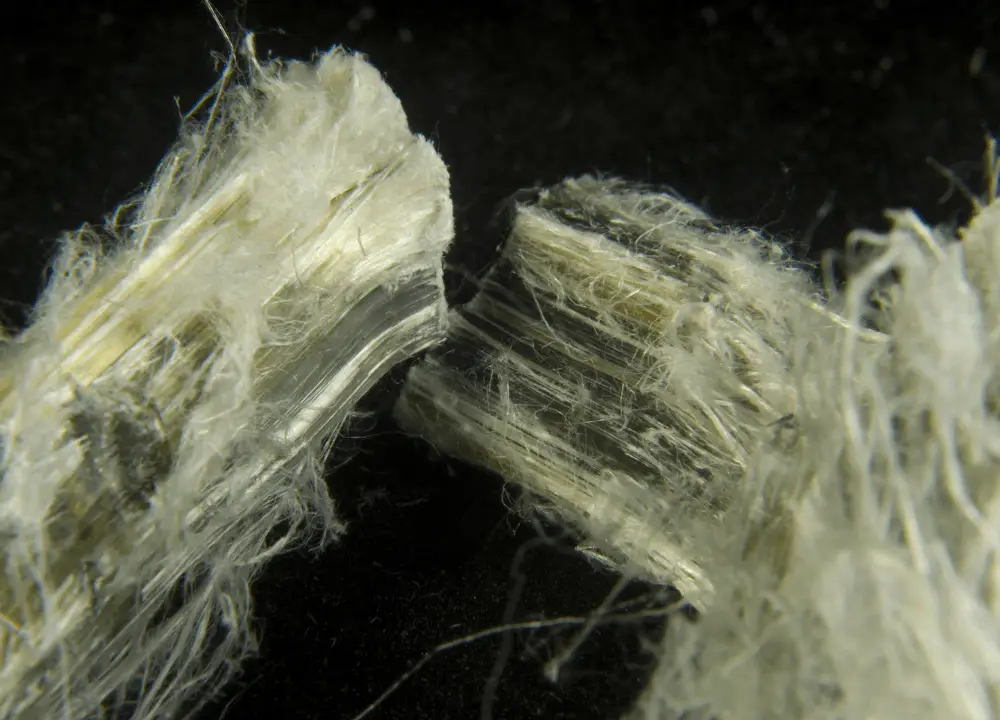
Similarly, Tom, a veteran, was exposed to asbestos during his service. Following his diagnosis, he connected with a network dedicated to assisting veterans in navigating these challenges. Armed with knowledge about Veteran Claims and available financial support, Tom felt empowered to confront his situation. It’s important to understand that many affected by mesothelioma share similar stories of hardship, often stemming from the negligence of asbestos manufacturers who failed to warn them about the dangers linked to their products. This negligence has left countless hardworking Americans grappling with the results of their exposure.
Emotional and Legal Support
These stories highlight a vital aspect of the mesothelioma journey: you are not alone. Loyal and knowledgeable legal support is crucial, helping to address both the pursuit of compensation and the emotional toll of the diagnosis. Remember, you deserve justice and peace of mind. For those seeking more information on navigating these challenges, our resources on legal advocacy for mesothelioma victims can provide valuable insights and support.
Legal Rights Following a Diagnosis
Receiving a diagnosis of mesothelioma can be overwhelming, but understanding your legal rights is crucial. If you or a loved one is facing this challenge, knowing that you may be entitled to compensation for medical expenses, lost wages, and pain and suffering related to mesothelioma symptoms caused by asbestos exposure is essential. In fact, pursuing legal action not only helps secure financial support but can also play a role in preventing future asbestos-related harm to others.
Steps to Secure Legal Help
First, seeking legal representation is essential. An attorney who specializes in mesothelioma cases can guide you through the complex process of filing a claim. They help ensure you meet all necessary deadlines and compile the required documentation to support your case. If you were exposed to asbestos in environments such as shipyards or construction sites, it’s important to understand that you may have a legal right to file a mesothelioma lawsuit.
Preparing for Your Claim
Common next steps include gathering medical records related to your meso symptoms, consulting with a qualified attorney to evaluate your options, and discussing potential compensation claims based on your specific situation. Many families have successfully navigated the legal landscape after a mesothelioma diagnosis, securing the support they need. For more information on the legal avenues available, check out our guide on mesothelioma lawsuits.
Supporting Resources
Remember, you are not alone in this journey. Take the first step and reach out for help.
Frequently Asked Questions
Understanding mesothelioma can feel overwhelming, especially regarding symptoms and your legal rights. It’s important to take one step at a time and seek support.
What are the common symptoms of mesothelioma?
Many individuals may experience lingering symptoms like a persistent cough, chest pain, or shortness of breath. Symptoms often appear decades after asbestos exposure, which is why it’s vital to stay vigilant and informed.
How does mesothelioma affect veterans differently?
Veterans may encounter unique challenges due to occupational exposures from military service. Certain branches, like the Navy, faced increased risk from asbestos found in shipbuilding and repair processes. Many veterans were unwittingly exposed to asbestos in various settings, including shipyards and aircraft maintenance facilities, often without direct handling of the material. This exposure frequently happened in confined spaces, leading to long-term health risks that may only become apparent years later.
What steps should I take after a diagnosis?
- Consult with a healthcare professional for an appropriate treatment plan.
- Reach out to a legal expert specialized in mesothelioma claims.
- Document your medical history and work experience for your case.
By taking these steps, you ensure that you’re supported both medically and legally during this challenging time. For veterans who seek tailored information on their specific circumstances, our resource on mesothelioma among service members offers valuable insights for navigating these challenges.
Next Steps for Individuals and Families
Reach Out for Legal Support
If you or a loved one is facing a mesothelioma diagnosis, it can feel overwhelming. However, seeking legal assistance can significantly ease your journey during this challenging time. At Danziger & De Llano, we specialize in supporting families like yours with compassionate legal counsel. Our firm operates on a no-win, no-fee basis, ensuring you pay nothing upfront and only when we secure compensation for you. Contact us for a free consultation to discuss your situation and explore your options for compensation.
Gather Essential Information
Before your consultation, gather key documents related to your diagnosis, treatment, and any communications about asbestos exposure. This preparation helps our attorneys provide tailored advice for your case surrounding mesothelioma symptoms.
Stay Informed Throughout the Process
As you navigate your legal route, understanding your rights and available resources is crucial. Being informed empowers you to secure the support your family needs. Remember, you are not alone…reaching out is a vital step towards addressing both your legal and emotional needs. For additional insights on how we can assist you during this process, check out our comprehensive guide on mesothelioma legal support.
Legal Disclaimer
The information provided is for educational and informational purposes only. The information on this website is not intended as legal advice and should not be used as a substitute for consulting a licensed attorney. Legal outcomes and laws can vary by jurisdiction, and only a qualified lawyer can provide guidance tailored to your situation.