

Not all mesothelioma diagnoses are the same…and the types of mesothelioma can shape everything that comes next, from where tumors develop to how doctors confirm the disease and what compensation paths may be available. If you or a loved one has been diagnosed, it’s normal to feel overwhelmed by unfamiliar terms like “pleural” or “peritoneal,” especially when you’re also trying to connect the illness to past asbestos exposure.
Here’s what you can gain right away: a clear breakdown of each type, what symptoms and testing often look like, and why the location of the cancer may influence treatment planning and legal strategy. You’ll also see how compensation options can differ depending on work history, exposure sources, and whether the claim is filed as a personal injury lawsuit, a wrongful death claim, an asbestos trust fund claim, and/or veterans’ asbestos claims and VA benefits.
Coming up:
- What mesothelioma is and how asbestos exposure leads to it
- An overview of pleural, peritoneal, pericardial, and testicular mesothelioma
- Practical next steps and evidence to start gathering for a free consultation
Introduction to Mesothelioma
Mesothelioma is a rare cancer predominantly associated with asbestos exposure. For many, this diagnosis comes as a shock, as symptoms can resemble those of more common conditions, and asbestos exposure may have occurred decades ago.
“One of the most challenging aspects of mesothelioma is its long latency period; it can take 20 to 50 years after asbestos exposure for the disease to manifest.” — Source: American Cancer Society
A diagnosis can prompt critical questions: What caused this? Where were you exposed? What assistance is available for treatment costs and family finances? Obtaining clear, factual information is an essential first step. It’s vital to understand that asbestos exposure can happen in multiple ways, such as in older workplaces or from secondary exposure when fibers are carried home on clothing. Grasping these nuances can illuminate your situation and possible eligibility for compensation.
How Asbestos Exposure Occurs
Asbestos fibers can be inhaled or ingested when older materials are cut, sanded, or otherwise disturbed. Exposure commonly occurred in workplace settings, military bases, or during home and building renovations.
- Construction and industrial jobs
- Shipyards and Navy service
- Older insulation, piping, and boilers
Types of Mesothelioma to Understand
Healthcare professionals may categorize mesothelioma by the site of formation, such as the lining of the lungs (pleural) or abdomen (peritoneal). Identifying the type can inform medical treatment and is also beneficial when exploring compensation options later in this guide. For further insights on navigating these compensation pathways, please refer to our detailed guide on mesothelioma diagnosis and financial assistance.
What is Mesothelioma?
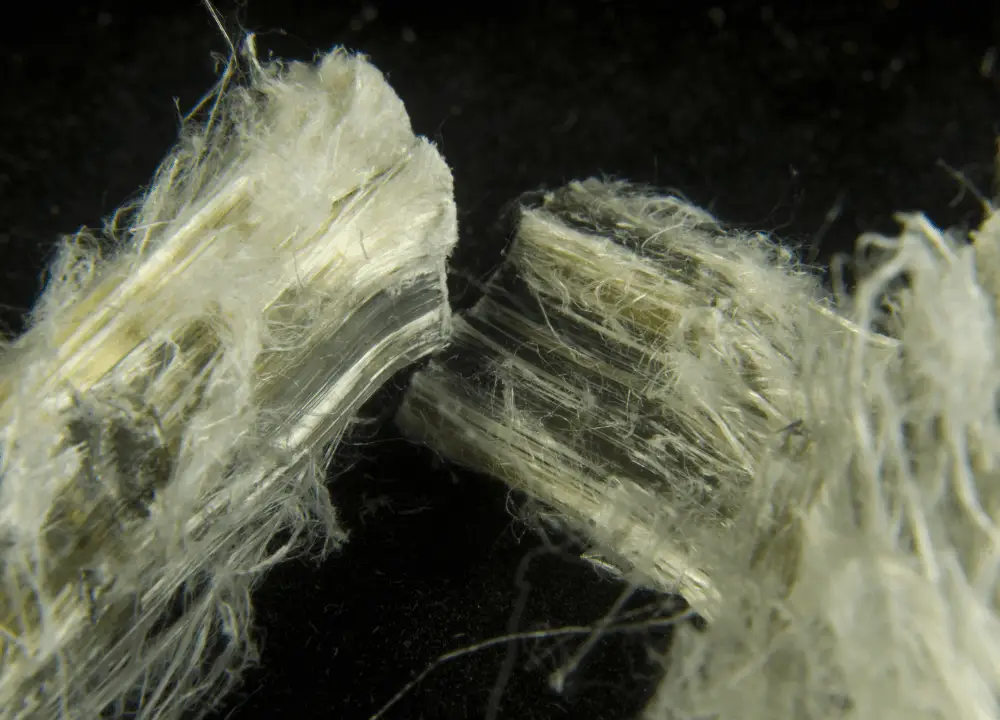
Mesothelioma is a rare cancer that originates in the mesothelium, a thin lining protecting certain organs. It is primarily linked to asbestos exposure, which commonly occurs in workplaces, older products, or military service. When asbestos fibers are inhaled or ingested, they can irritate the mesothelium over time, leading to cellular changes that cause cancer. Symptoms often take years to manifest, resulting in late diagnoses.
Locations Affected by Mesothelioma
- Pleural Mesothelioma: Affects the lining around the lungs, often causing shortness of breath and chest pain. This type accounts for about 80% of all mesothelioma cases and can also lead to symptoms such as coughing and difficulty swallowing.
- Peritoneal Mesothelioma: Involves the abdominal lining, typically associated with swelling and abdominal discomfort.
- Pericardial Mesothelioma: A rare form that impacts the lining around the heart.
Understanding Your Risk and Misconceptions
A common misconception is that significant exposure is necessary for developing mesothelioma. However, an individual’s history is critical, including medical records, work environments, and known asbestos products. This understanding is essential when exploring potential compensation options available to those impacted by this disease. For a deeper dive into the specifics of pleural mesothelioma and its symptoms, you can refer to our comprehensive guide on malignant mesothelioma.
Types of Mesothelioma: An Overview
Mesothelioma refers to cancers that develop in the thin linings of certain organs. Understanding the specific types of mesothelioma is crucial, as it influences symptoms, treatment choices, and the documentation related to asbestos exposure. A common misconception is that mesothelioma always pertains to lung cancer; however, it originates in the lining, not the lung tissue itself. In fact, mesothelioma can manifest in various locations, including the chest, abdomen, heart cavity, and even the testes, highlighting the importance of recognizing its distinct forms.
Pleural Mesothelioma
Pleural mesothelioma, the most prevalent type, develops in the lining around the lungs (pleura). It typically presents with respiratory issues such as coughing or shortness of breath.
Peritoneal and Pericardial Mesothelioma
- Peritoneal mesothelioma arises in the abdominal lining (peritoneum) and can lead to abdominal pain or swelling.
- Pericardial mesothelioma affects the heart lining (pericardium), which can cause severe chest pain and other cardiovascular symptoms.
Testicular Mesothelioma
Testicular mesothelioma, though rare, occurs in the lining surrounding the testicles. Symptoms may include pain or swelling in the affected area.
Implications of Asbestos Exposure
All types of mesothelioma are closely linked to asbestos exposure, typically arising from workplaces, older products, or military environments. If you suspect exposure but are unsure of the specifics, start gathering medical records and work history. This will aid in understanding your diagnosis and exploring compensation avenues like asbestos trust funds or legal claims. For a deeper understanding of how asbestos exposure contributes to these conditions and the potential for misdiagnosis with lung cancer, refer to our detailed discussion on asbestos exposure and its implications.
Pleural Mesothelioma
Pleural mesothelioma affects the lining around the lungs (the pleura) and is the most prevalent type of mesothelioma. Symptoms may initially resemble common lung ailments, which often prolong the diagnosis.
Recognizing Common Symptoms
Patients frequently report symptoms that fluctuate or progressively worsen. Many wonder if it is merely pneumonia or a sign of aging; however, ongoing symptoms warrant further examination. Key indicators include:
- Shortness of breath
- Chest pain or tightness
- Persistent cough
- Fluid accumulation around the lungs (pleural effusion)
- Unexplained fatigue or weight loss
Diagnosis and Treatment Approaches
Diagnosis usually employs imaging techniques like X-rays or CT scans, complemented by a biopsy to confirm mesothelioma. Treatment often involves a combination of surgery, chemotherapy, radiation, and supportive care, tailored to the cancer stage and the patient’s overall health.
Financial Considerations and Legal Options
Asbestos exposure can qualify individuals for compensation through asbestos trust funds, personal injury lawsuits, or VA benefits for eligible veterans. A free consultation can clarify necessary documentation, exposure history, and relevant Texas filing deadlines.
Peritoneal Mesothelioma
Peritoneal mesothelioma originates in the peritoneum, the lining of the abdomen, and is the second most common type of mesothelioma. This condition is frequently associated with asbestos exposure at job sites, in industrial environments, or during military service. Even minimal exposure to asbestos can lead to a diagnosis many years later, as the disease typically has a latency period of 20 to 50 years. Therefore, it is crucial for victims to understand their rights regarding compensation.
Key Symptoms
Diagnosing peritoneal mesothelioma can be challenging, as the symptoms often mimic other abdominal issues. Early signs typically include:
- Abdominal pain or swelling
- Nausea
- Loss of appetite
- Unexplained weight loss
- Changes in bowel habits
- Persistent fatigue
Diagnosis Process
The diagnosis usually entails a combination of imaging tests, such as CT scans, and biopsies to confirm the presence of mesothelioma. Additional tests may detect fluid accumulation in the abdomen and help exclude other conditions.
Legal Considerations
Since asbestos exposure may have occurred many years ago, claims often rely on documentation regarding work history, product identification, and medical records. Many individuals pursue compensation through asbestos trust funds, personal injury lawsuits, or VA benefits. Consulting a legal expert like Danziger & De Llano is essential to navigate options and deadlines. Victims have strong legal rights to seek compensation from the companies responsible for their exposure. This underscores the importance of understanding how asbestos causes mesothelioma and the avenues available for redress. For further information, refer to our overview of legal rights for asbestos victims.
Pericardial Mesothelioma
Pericardial mesothelioma is a rare type of mesothelioma that forms in the lining surrounding the heart. Due to its subtle symptoms, which may resemble other heart or lung conditions, diagnosing this cancer often requires a specialist’s review of imaging and tissue samples. Patients might experience shortness of breath, chest pain, or fluid accumulation around the heart, but these indicators alone do not confirm the diagnosis.
Compensation Options for Pericardial Mesothelioma
Even with such a rare diagnosis, there are potential avenues for compensation tied to asbestos exposure. Those affected can consider several options, including:
- Asbestos trust funds linked to bankrupt companies.
- Personal injury lawsuits against the current companies are responsible.
- Wrongful death claims for eligible family members.
- Veterans Administration (VA) benefits for service-related exposures.
Gathering Evidence for Claims
Collecting comprehensive medical records…including pathology reports, imaging studies, treatment notes, and occupational or military history that indicates asbestos exposure…is crucial. As timing and proof issues can fluctuate, seeking a free consultation can clarify your legal options and relevant filing deadlines in Texas.
The Importance of Early Diagnosis
Recognizing pericardial mesothelioma early can significantly influence treatment choices and compensation opportunities. Therefore, understanding the types of mesothelioma and the related symptoms is essential for affected individuals or their families.
Testicular Mesothelioma
Testicular mesothelioma is a rare variant that affects the tunica vaginalis, the lining surrounding the testicle. This uncommon form means symptoms can often be mistaken for less serious conditions, leading to delays in diagnosis. For those with a history of asbestos exposure, recognizing these signs early is crucial, as understanding the legal implications can be vital for securing compensation.
Common Symptoms
- Scrotal swelling or fluid accumulation (hydrocele)
- A firm lump in the scrotum
- A persistent aching or feeling of heaviness
Monitoring these symptoms is essential, especially if there is a history of asbestos exposure.
Treatment Options
Treatment primarily involves surgery, with further discussions on chemotherapy or other therapies depending on the stage of cancer and the patient’s overall health. Recent studies focus on postoperative outcomes and follow-up treatments that may help minimize the risk of recurrence.
Legal Considerations
If diagnosed with testicular mesothelioma linked to asbestos exposure, several compensation options are available. These include asbestos trust funds, personal injury lawsuits, and VA benefits for qualified veterans. A free consultation can help ascertain eligibility and guide patients on necessary documentation, such as pathology reports and work history. It’s important to note that while this information can be helpful, it does not establish an attorney-client relationship. Individuals should seek personalized legal advice tailored to their specific circumstances. For further insights on navigating these legal avenues, refer to our overview of mesothelioma legal options.
Navigating Compensation Options by Type

Compensation options largely depend on your asbestos exposure history, work sites, and diagnosis date rather than solely on the types of mesothelioma. However, specific circumstances may lead individuals toward different avenues. You can often pursue multiple compensation paths simultaneously. In fact, many victims and their families may qualify for various forms of compensation, including significant funds set aside by over 60 asbestos companies, totaling more than $30 billion.
Asbestos Trust Funds
Asbestos trust funds may apply if a liable company has filed for bankruptcy and allocated funds for victims. For example, if your pleural mesothelioma traces back to insulation produced by a bankrupt manufacturer, a trust claim may be a key part of your compensation strategy. We can help you identify which trusts you qualify for and assist in filing all necessary claims.
Personal Injury Lawsuits
If your exposure involves companies still in operation, a personal injury lawsuit could be appropriate. For family members of those who have passed away from mesothelioma, a wrongful death claim may be a viable option for seeking justice and compensation. These claims can cover medical expenses, lost wages, and emotional damages.
Veterans’ Asbestos Claims
Many Navy veterans encountered asbestos on ships or in engine rooms. If you’re a veteran, you may qualify for VA benefits while also pursuing claims against asbestos trust funds or filing a lawsuit. Notably, veterans represent nearly one-third of all mesothelioma cases.
Essential Documentation
To navigate these options effectively, gather crucial information, including:
- Pathology reports
- Diagnosis dates
- Work history or service records
- A list of relevant job sites
Remember, Texas has strict filing deadlines, so a free consultation can help clarify your options and next steps. For additional insights on compensation avenues available, check out our overview of mesothelioma compensation options.
FAQ About Mesothelioma Types
Different Types of Mesothelioma
Yes, types of mesothelioma matter. These include pleural, peritoneal, pericardial, and testicular mesothelioma, each associated with unique exposure histories and symptoms. Understanding your diagnosis informs the evidence needed for claims. Major public health authorities recognize asbestos as a known carcinogen linked to these types, emphasizing the importance of documenting exposure histories for effective legal action.
Impact on Compensation Options
While knowing the exact source of asbestos isn’t mandatory, the type of mesothelioma can influence your compensation options, such as asbestos trust funds, personal injury lawsuits, or VA benefits for veterans. Legal counsel can help clarify your rights and available paths to compensation, especially since there are numerous asbestos trust funds with significant assets set aside for victims. For additional guidance on navigating these options, check out our guide on mesothelioma legal support.
Investigating Exposure Histories
Many individuals may not recall specific exposures. A legal team can proficiently gather details from work histories, military service, and potential household exposure, effectively guiding you through the complexities of your case.
Importance of Timely Legal Action
Texas has strict filing deadlines; therefore, seeking a free consultation is crucial to strategize your next steps in the context of your type of mesothelioma.
Next Steps for Those Affected by Mesothelioma
Understanding Types of Mesothelioma
If you or a loved one has mesothelioma, it’s normal to feel uncertain about what happens next. The most helpful first step is obtaining clear, fact-based guidance on compensation options related to the types of mesothelioma you may face. You can explore compensation through avenues such as asbestos trust funds, personal injury lawsuits, wrongful death claims, or VA benefits if you’re a veteran. It’s important to note that veterans make up a significant portion of mesothelioma cases, and if you served at certain military bases, there may be additional benefits available to you.
Preparing for Your Case Review
You don’t need every detail figured out to start. However, gathering relevant documents can expedite your case review. Consider collecting:
- Medical records confirming a diagnosis
- Work history detailing exposure
- Military service records for veterans
- Any known products or contractors involved
Seeking Expert Guidance
Engaging a knowledgeable team for a consultation can clarify your eligibility and next steps. You pay no fees unless we win, and our experts can assist in investigating asbestos exposure intricacies, even if you can’t recall specifics.
Impact on Compensation Options
Understanding the specific types of mesothelioma is crucial, as it directly impacts your legal rights and compensation opportunities. Early diagnosis can lead to better treatment options and potentially influence the compensation process. For a detailed overview of the claims process and how to secure compensation effectively, check out our step-by-step guide on filing a mesothelioma claim.
Legal Disclaimer
The information provided is for educational and informational purposes only. The information on this website is not intended as legal advice and should not be used as a substitute for consulting a licensed attorney. Legal outcomes and laws can vary by jurisdiction, and only a qualified lawyer can provide guidance tailored to your situation.