
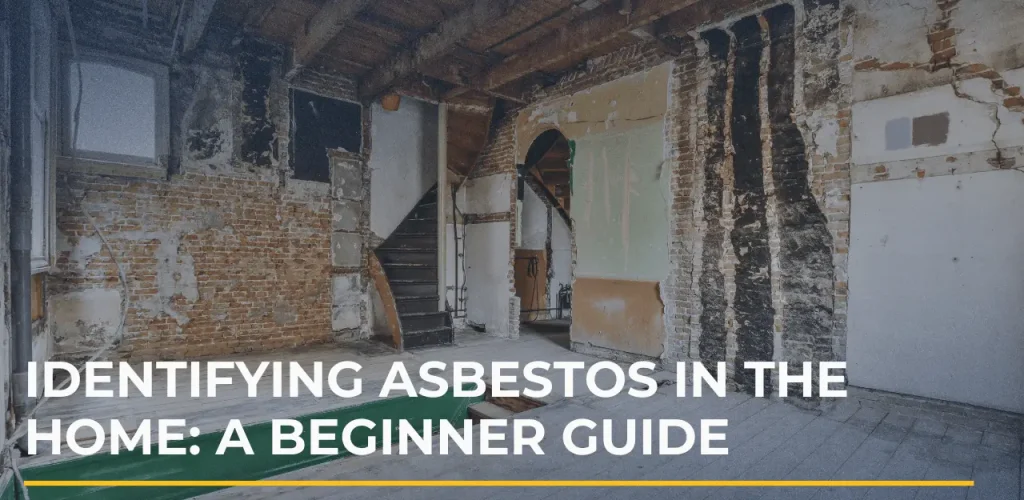
Could your “normal” home materials contain asbestos? Many houses built or renovated before the 1980s may still have asbestos in places you don’t think to check…often hidden behind paint, under flooring, or inside insulation. If you’re searching for a Guide to Asbestos: Common Household Sources, you’re likely trying to protect your family while avoiding unnecessary disruption or costly mistakes.
This matters because asbestos is most dangerous when materials are cut, sanded, drilled, or deteriorating…common scenarios during DIY repairs, remodeling, storm damage cleanup, or even routine maintenance. You don’t need to panic, but you do need a clear plan.
Here you’ll learn where asbestos is most commonly found in homes, what it looks like in real-world settings, and how to take practical, safer next steps. We’ll cover the highest-risk household materials (like insulation, floor tiles, popcorn ceilings, and cement products), how to document what you find, and when testing or professional abatement is the right move. We’ll also explain key legal considerations…especially Texas filing deadlines…and outline compensation options that may be available after verified asbestos exposure.
Introduction to Asbestos
Asbestos is a naturally occurring mineral that was widely used in building materials due to its heat resistance and strength. It remains a concern in older homes, particularly those constructed or remodeled several decades ago. Historically, asbestos has been valued for its durability and fire-resistant properties, with its use dating back to ancient civilizations, including evidence found in ceramic pots from the Stone Age and documented benefits noted in Ancient Egypt.
The primary risk arises when asbestos-containing materials are damaged or disturbed, releasing tiny fibers into the air that can be inhaled. While many believe asbestos is solely an industrial issue, homeowners can encounter asbestos exposure during routine activities like repairs, renovations, or DIY projects. It’s important to recognize that asbestos exposure can lead to serious health issues, including lung cancer, affecting individuals regardless of where the exposure occurs…be it at work, school, or home.
Identification of Asbestos in Your Home
Common household sources of asbestos include:
- Insulation around pipes, boilers, or in attics
- Vinyl floor tiles and the adhesive beneath them
- Textured ceilings, drywall joint compound, and certain cement products
“You can’t tell whether a material contains asbestos simply by looking at it, unless it is labeled.” – U.S. Consumer Product Safety Commission (CPSC)
Next Steps and Legal Considerations
This guide will help you identify potential asbestos sources, document your findings, and understand when to seek professional asbestos testing or abatement. Additionally, we will cover legal options for compensation, including trust funds and timelines for filing claims if you face a diagnosis like mesothelioma. For a deeper understanding of the dangers associated with asbestos exposure and its historical context, you can explore our comprehensive overview of asbestos risks.
What is Asbestos?
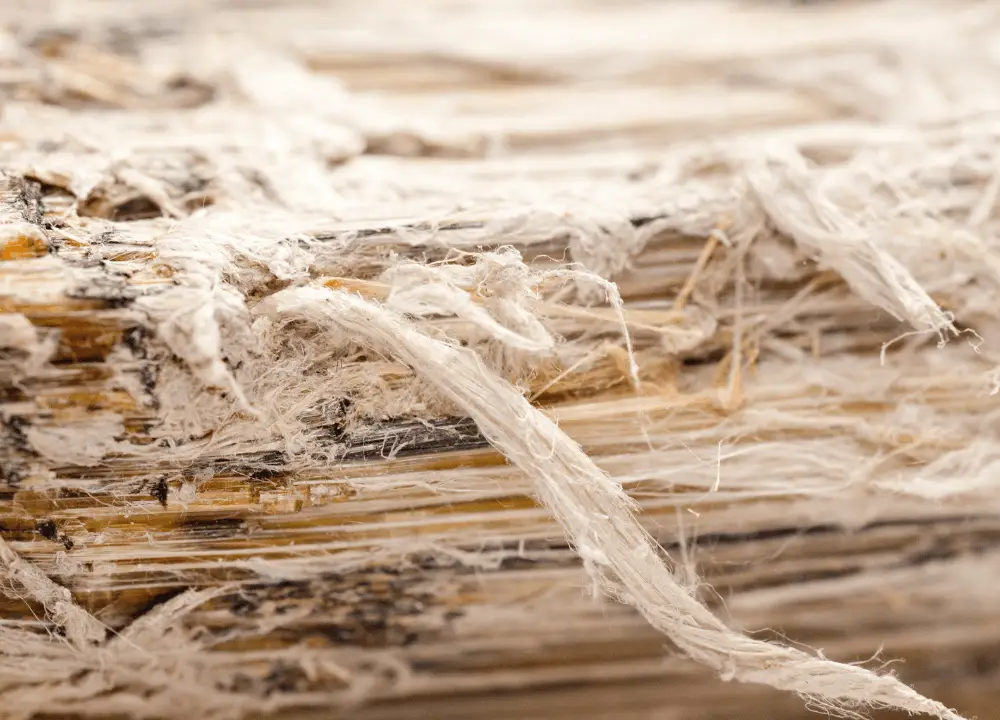
Asbestos refers to a group of naturally occurring minerals made up of tiny, durable fibers recognized for their resistance to heat, fire, and chemicals. This durability led to its widespread use in construction materials, such as insulation and cement products, for many years. However, asbestos poses significant health risks when disturbed, releasing harmful fibers into the air. Even minimal exposure can have serious long-term consequences, as these fibers can remain in the body for decades before leading to serious health issues, including mesothelioma.
Common Household Sources of Asbestos
Many households contain asbestos, particularly in older buildings. Common sources include:
- Insulation around pipes and boilers
- Floor tiles and adhesives
- Popcorn ceilings
- Roofing, siding, and certain cement products
Notably, asbestos materials are often hidden beneath other surfaces, making identification challenging during renovations.
Identifying and Handling Asbestos Safely
If you suspect a material may contain asbestos, it is crucial to avoid cutting, sanding, or removing it until a qualified professional assesses the situation. Proper documentation is essential for testing and potential abatement, minimizing the risk of exposure. Being aware of these safety precautions can help protect you and your family from the hidden dangers associated with asbestos.
Health Risks and Legal Implications
Prolonged exposure to asbestos can lead to serious health issues, including mesothelioma. Homeowners should be aware of their rights concerning asbestos contamination and the legal steps to seek compensation. Understanding these implications is essential for safeguarding health and the household environment. Victims of asbestos exposure often have strong legal rights to pursue compensation from responsible companies, as the latency period for diseases like mesothelioma can span several decades. For more information on the legal aspects surrounding asbestos exposure, refer to our guide on mesothelioma and legal rights.
The Health Risks of Asbestos Exposure
Asbestos is a hazardous material found in many older homes, characterized by tiny fibers that can be inhaled or ingested. The body struggles to eliminate these particles, which may lead to irritation and scarring of lung tissue over time. Symptoms of asbestos-related illnesses often do not appear immediately, with many conditions taking years to develop. This makes it challenging for individuals to connect health issues to past exposure. While asbestos exposure is the only known cause of certain diseases, not everyone who encounters it will necessarily develop health problems; however, the risk increases significantly with factors such as the type of fibers, duration, and intensity of exposure.
Common Illnesses Linked to Asbestos Exposure
The health risks associated with asbestos exposure vary based on duration, intensity, and specific materials. Common illnesses include:
- Mesothelioma: A rare cancer affecting the lining of the lungs or abdomen.
- Lung Cancer: An increased risk is linked with asbestos exposure.
- Asbestosis: A serious lung condition leading to scarring that can compromise breathing.
- Pleural Diseases: Conditions such as thickening or fluid accumulation surrounding the lungs.
Steps to Understand Your Health Risks
If you suspect asbestos in your home or have previously been exposed, understanding these health risks is crucial for determining your next steps. Seeking professional asbestos testing and remediation services is highly recommended. Additionally, if you or a loved one has been diagnosed with an asbestos-related illness, exploring compensation options such as asbestos trust funds, personal injury lawsuits, and VA benefits is essential. Documenting your medical records alongside any relevant work history can significantly aid in navigating your options for support and compensation. After a diagnosis, it’s also important to consider treatment options and legal claims that may help address financial concerns for you and your family.
Guide to Asbestos: Common Household Sources
Awareness of common household sources of asbestos not only protects your health but also informs necessary actions if exposure is suspected. Being proactive about asbestos detection and safety is vital to safeguarding yourself and your loved ones.
Common Household Sources of Asbestos
If your home was built or remodeled before the 1980s, it may contain asbestos in various materials. While asbestos is generally safe when undisturbed, activities like sanding, cutting, or demolition can release harmful fibers into the air. Recognizing these materials is crucial for your safety. It’s important to understand that exposure to asbestos isn’t confined to residential settings; many individuals, including veterans, encountered asbestos in various environments, such as military bases and ships, where it was used for fire safety in construction and equipment.
Identification of Asbestos in Insulation and Heat-Related Materials
Asbestos was commonly used in insulation due to its fire-resistant properties. Look for it in:
- Attic and pipe insulation
- Boiler and furnace insulation
- Duct wrap
- Fireplace materials
If you find crumbling insulation or damaged pipe wrapping, do not handle it. Instead, document your findings and seek a professional inspection for testing and potential abatement.
Asbestos in Flooring, Ceilings, and Wall Materials
Asbestos can also be present in household materials, not just in industrial settings. Common sources include:
- Vinyl floor tiles and the adhesive (mastic) underneath
- “Popcorn” ceiling texture
- Drywall joint compound
- Cement board products
If you plan to remove flooring or a textured ceiling, avoid scraping or grinding the material to prevent fiber release. Consider professional asbestos testing if you suspect its presence.
Roofing and Exterior Materials Containing Asbestos
Older roofing shingles, siding, and some cement-like panels may also contain asbestos. Before any renovation or repair, identify the materials and consult with professionals about testing and safe removal options. For further insights into how asbestos exposure has affected various groups, including veterans who often faced significant risks in their environments, check out our detailed overview on asbestos exposure among military personnel.
Identifying Asbestos in Your Home
Asbestos is a hazardous material that was commonly used in construction until the late 20th century. While you can’t confirm its presence just by looking, you can identify materials that are likely to contain asbestos and know when to seek professional help. This is especially important in older homes where renovations may disturb asbestos-containing materials.
Common Household Sources of Asbestos
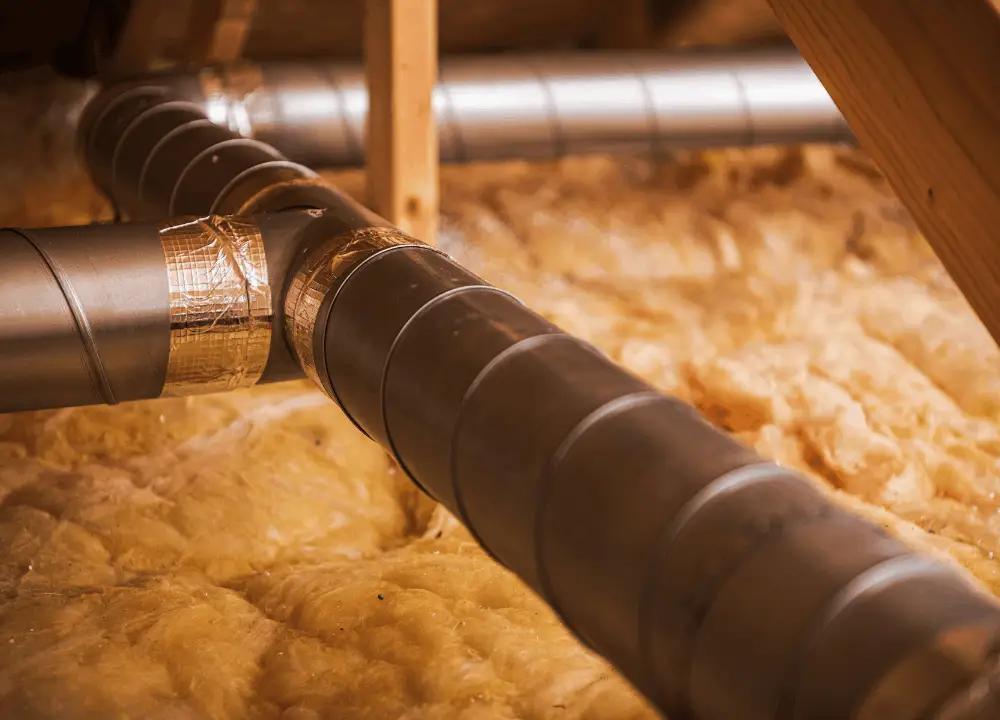
If your home was built or remodeled before the 1980s, be vigilant about aging or damaged materials, particularly in areas exposed to heat or moisture. Here are some common sources:
- Insulation around pipes and boilers in basements or utility rooms
- Popcorn ceilings and textured wall coatings
- Vinyl floor tiles and the black mastic adhesive beneath them
- Cement products, including roofing and siding materials
Steps to Take if You Suspect Asbestos
Avoid attempting to scrape or disturb suspected asbestos materials, as this can release harmful fibers into the air. Instead, follow these steps:
- Do not sand, drill, sweep, or vacuum any dusty debris.
- Do not remove suspect materials during DIY projects.
- Document your findings by taking photos and noting locations. Then, consult a qualified professional for asbestos testing.
If you suspect you have been exposed to asbestos and it may have impacted your health, there are compensation options available, including asbestos trust funds and personal injury lawsuits. Don’t wait…get a free consultation to guide you on your next steps.
Safe Practices for Managing Asbestos
Asbestos is a hazardous material commonly found in older homes, including insulation, floor tiles, popcorn ceilings, and cement products. If you suspect a material contains asbestos, it’s crucial to handle it carefully to avoid disturbing it, as fibers become dangerous when released into the air. Given the serious health risks associated with asbestos exposure, including its link to various cancers, understanding how to manage this material safely is essential.
Identification and Documentation Steps
Begin with practical precautions while assessing your situation:
- Stop work immediately and keep others away from the area.
- Leave materials intact when possible; undisturbed asbestos is often safer than attempting DIY removal.
- Limit dust by turning off nearby fans or HVAC systems and closing doors.
- Document your findings with notes or photos to provide a professional assessment.
Avoid Common Mistakes
- Don’t sweep, vacuum with a standard vacuum, or use compressed air, as these actions can spread asbestos fibers.
- Don’t cut, scrape, or remove flooring, insulation, or ceiling materials to check for asbestos.
- Don’t dispose of debris in regular trash without following proper handling and disposal guidelines.
If you face a mesothelioma diagnosis due to asbestos exposure, explore compensation options such as asbestos trust funds, personal injury lawsuits, and VA benefits. Don’t wait…get a free consultation to help clarify your next steps. The documented dangers of asbestos have led many individuals to suffer from serious health issues due to prolonged exposure. For those seeking more information on the implications of asbestos exposure and related health risks, our detailed overview of mesothelioma provides valuable insights.
When to Call a Professional
If you suspect a material in your home may contain asbestos, it is vital to take immediate action. Asbestos fibers pose serious health risks when disturbed, and visual identification is not reliable. Always seek guidance before sanding, drilling, scraping, or removing materials.
Situations Requiring Asbestos Testing
Consult a licensed asbestos inspector or abatement company in the following situations:
- You’re planning renovation or demolition in an older building and are unsure about asbestos in flooring, insulation, popcorn ceilings, or pipe wrap.
- Materials are crumbling, peeling, or water-damaged, increasing exposure risk.
- You’ve experienced a fire or flood that might have compromised building materials.
- You find debris after removing old tiles, drywall, or ductwork.
It’s also important to be aware of common asbestos-containing materials identified by health organizations, which include insulation and various construction products.
Health and Legal Implications
Engaging professionals ensures proper asbestos testing, safe containment, and responsible waste disposal, thus protecting your household and others from exposure. If you have a mesothelioma diagnosis or are concerned about past exposure, schedule a consultation to explore compensation options related to asbestos exposure. Understanding the necessary proof for compensation, such as pathology confirming mesothelioma and evidence of exposure, can be crucial in these situations.
Choosing the Right Asbestos Professional
Selecting a qualified abatement company can make a significant difference in safety and compliance with regulations. Investigate their experience and ensure they utilize industry-best practices to mitigate risks during renovations. Remember, handling asbestos without professional input can exacerbate health hazards. For more insights on navigating legal options related to asbestos exposure, refer to our guide on mesothelioma compensation.
Legal Implications of Asbestos Exposure
Your Rights Following a Mesothelioma Diagnosis
If diagnosed with mesothelioma linked to past asbestos exposure, understanding your legal rights is essential. It is a common misconception that it’s too late to seek compensation or that you need every detail of your exposure. Fortunately, this is often not the case. Options for compensation may include asbestos trust funds, personal injury lawsuits, and, for those eligible, VA benefits for veterans. Families who have lost a loved one due to asbestos-related illnesses can also pursue wrongful death claims. Taking legal action not only helps secure financial support for medical bills and lost wages but also serves to prevent future asbestos-related harm to others.
Key Factors for Successful Claims
Successful claims generally necessitate proof that your medical diagnosis is related to asbestos exposure. Critical documentation can include pathology reports, physician records, work history, union records, and military service records for veterans’ claims. Identifying the names of asbestos-containing products, worksites, or coworkers can further strengthen your case. If you were exposed to asbestos in environments such as shipyards or construction sites, you may have a solid legal basis for pursuing a mesothelioma lawsuit.
Understanding Timing and Deadlines
In Texas, filing deadlines are strict, often commencing at the time of diagnosis or sometimes from the date of death. A consultation can clarify your timeline and aid in gathering necessary documentation without pressure, ensuring you are informed about your legal options. For more insights on the legal process and potential compensation avenues, please refer to our comprehensive guide on mesothelioma lawsuits.
Compensation Options for Asbestos Exposure
Understanding Your Compensation Pathways If you have been diagnosed with mesothelioma or another asbestos-related illness, various compensation avenues may be available to you due to exposure from products or workplaces that failed to properly warn about the risks associated with asbestos. It’s essential to recognize that multiple options can be pursued simultaneously, depending on the circumstances of your exposure and the companies involved.
Common Compensation Routes
Consider these prevalent methods to seek compensation:
- Asbestos Trust Funds: These are accessible for claims related to bankrupt asbestos firms, providing a critical lifeline for affected individuals. In fact, over 60 asbestos companies have established trust funds that collectively exceed $30 billion, which can significantly aid those seeking compensation.
- Personal Injury Lawsuits: If you currently face an asbestos-related diagnosis, filing a lawsuit can be a viable option for compensation. This route can cover various damages, including medical expenses and lost wages.
- Wrongful Death Claims: If a loved one has succumbed to mesothelioma or other asbestos-induced diseases, you may file a claim in their memory.
- Veterans Affairs (VA) Benefits: Veterans exposed to asbestos during service may qualify for compensation, often in conjunction with trust funds or civil claims. Notably, veterans account for nearly one-third of all mesothelioma cases, highlighting the importance of understanding available benefits.
Essential Documentation for Your Claim

To create a robust compensation claim, essential documents typically include: – Medical records confirming your asbestos-related diagnosis. – Detailed work history, noting job sites and military service details. – Documentation of any asbestos-containing materials you may have encountered, such as insulation, flooring, or equipment. Due to strict statutes of limitation, seeking a free consultation can clarify your timelines and the necessary steps in pursuing compensation. For further insights into the various compensation options available, including specific details about trust funds and lawsuits, refer to our comprehensive overview on mesothelioma compensation options.
Understanding Texas Asbestos Laws
Asbestos exposure can lead to significant health problems, including mesothelioma. It is essential to identify sources of asbestos in your home, such as insulation, floor tiles, popcorn ceilings, and cement products, to safeguard your health and protect your legal rights.
Recognizing Common Asbestos Sources
Many materials in older homes may still contain asbestos. Recognizing these materials helps homeowners take proactive measures. Additionally, understanding the historical context of asbestos use in construction can enhance awareness of potential exposure.
Documenting Your Asbestos Exposure
If you suspect asbestos exposure, it’s crucial to document your findings. Collect detailed information regarding your exposure history and related health diagnoses. Consulting a local attorney can assist you in identifying specific products and work sites in Texas. Key documents to gather include pathology reports, work history records, and the names of individuals who may support your exposure claims. Our team focuses on investigating the circumstances surrounding your exposure, ensuring you have a thorough understanding of your unique situation.
Your Legal Options and Timelines
If diagnosed with an asbestos-related condition, you may qualify for compensation through asbestos trust funds, personal injury lawsuits, or VA benefits. Timelines for filing claims typically commence upon diagnosis, emphasizing the importance of prompt action. A consultation with a legal expert can clarify your rights and the necessary steps, generally without upfront fees. For further insights into the claims process and potential compensation options available to mesothelioma victims in Texas, please refer to our detailed guide on filing claims.
Navigating the Asbestos Claims Process
Understanding asbestos exposure and navigating the claims process can be an overwhelming journey. However, it follows a structured pathway aimed at demonstrating exposure, securing an appropriate diagnosis, and establishing the connection between the two. The claims process typically involves thorough investigation, documentation, and review. Compensation options may include avenues like asbestos trust funds, personal injury lawsuits, or wrongful death claims. Gathering comprehensive evidence, such as work history, military records, and details about coworkers, plays a crucial role in strengthening your case. This information helps to clearly establish the link between your exposure and the accountable parties.
Key Documentation for Claims
While it’s not essential to recall every job site, collecting key documents can significantly streamline your claim process. Important documents include: Medical documentation: pathology reports and diagnosis dates verifying asbestos exposure; Work history records: documentation of job titles and employers that may substantiate your exposure; Exposure evidence: names of coworkers or details of home renovations involving potentially hazardous materials; Military records: relevant for service members who might have been exposed during their duties. Collecting these documents not only supports your claim but also aids attorneys in linking exposure to liable companies and potential trust funds, thereby maximizing opportunities for compensation.
Legal Considerations and Next Steps
Be mindful of statutes of limitations, which can be restrictive, including specific filing deadlines in Texas. Engaging with an attorney early can clarify your options and outline necessary evidence, ensuring you do not incur fees unless successful. This enables you to focus more on your health and family while managing the claims process effectively. For further insights into the significance of timely action and the role of legal representation, refer to our overview of asbestos claims after a loved one’s passing.
Frequently Asked Questions about Asbestos
What is asbestos, and why is it dangerous?
Asbestos is a hazardous mineral commonly found in older homes, often used in materials such as insulation, floor tiles, and popcorn ceilings. When these materials are disturbed, they can release airborne fibers that pose serious health risks, potentially leading to conditions like mesothelioma. Understanding these risks can help in taking appropriate actions.
How can you identify asbestos in your home?
To determine if your home contains asbestos-containing materials, look for signs in areas such as insulation, cement products, and older flooring. If you suspect asbestos, document your findings thoroughly. Consulting a professional can provide clarity and safety.
What steps should you take if exposed or diagnosed?
If diagnosed with an asbestos-related condition, gather essential documents for a potential claim:
- Medical records confirming diagnosis
- Documentation of work history and job sites
- Military service records, if applicable
Explore your compensation options, which may include asbestos trust funds, personal injury lawsuits, and VA benefits. Be mindful of filing deadlines to ensure your rights are protected. Don’t wait…consider a free consultation to understand your options better.
Best Practices for Homeowners
Identifying Asbestos in Your Home
If your home was built decades ago, it may contain asbestos in various materials. Common household sources include insulation, floor tiles, popcorn ceilings, and certain cement products. Many homeowners mistakenly believe they can identify asbestos visually, but the only reliable way to confirm its presence is through professional asbestos testing.
Safety First: Avoid Disturbing Suspect Materials
Asbestos poses the greatest risk when its fibers become airborne. If you suspect materials in your home may contain asbestos, refrain from sanding, drilling, or removing them. If you encounter damaged or crumbling materials, treat them as a serious safety issue and halt any renovation work until you receive professional guidance.
Documentation and Professional Help
For asbestos testing and abatement, hire qualified professionals and ensure you document your findings. Keeping thorough records can protect your household and provide a clear history for future reference should health concerns arise.
Essential Documentation Habits:
- Request a written scope of work and results for any asbestos testing.
- Organize renovation dates, receipts, and contractor notes in a dedicated folder.
- If you’ve been exposed to asbestos, retain medical paperwork and communicate your concerns with your doctor.
By staying informed and proactive, you can effectively manage asbestos risks and take appropriate next steps for your health and safety.
Resources for More Information
Identifying Asbestos in Your Home
If you or a loved one is facing a mesothelioma diagnosis, accessing reliable information is crucial. Start by consulting trusted public health and cancer organizations for clear explanations of asbestos, its common household sources, and the associated health risks. Major health authorities recognize asbestos as a known carcinogen, emphasizing the importance of identifying materials such as insulation, floor tiles, and popcorn ceilings in your home.
These resources will empower you to identify potential exposure locations in your environment. Document any unfamiliar terms and share questions with your healthcare provider during appointments to ensure you are well-informed.
Legal Considerations for Asbestos Exposure

If you have encountered asbestos, various compensation avenues may be available, such as asbestos trust funds, personal injury lawsuits, wrongful death claims, or veterans’ benefits. Gathering necessary documents like pathology reports, work history, and relevant product information is essential.
It is also vital to be aware of strict filing deadlines, particularly in Texas, to ensure you meet legal requirements. For those seeking to understand their options better, requesting a free consultation can clarify their next steps and rights.
- Knowing that there are approximately 60 asbestos trust funds with significant assets can help individuals navigate the complex landscape of asbestos exposure.
- Understanding these implications fosters safety and informed decision-making.
For more insights on the legal aspects of asbestos exposure, check out our overview of mesothelioma lawyers.
Next Steps for Homeowners
If you suspect asbestos exposure in your home, approach the situation with care. The risks primarily come from disturbing older materials, not necessarily from their presence alone.
Identifying Asbestos in Home Materials
Homes built before the late 1970s may have asbestos in common sources like insulation, floor tiles, and popcorn ceilings. If you notice any cracks or crumbling materials, treat them as potential hazards until a professional verifies otherwise. Avoid sanding, scraping, or demolishing these materials. Document your findings with notes and clear photos, and pause any renovations until you obtain expert insight.
Engaging Professionals for Testing and Removal
Engage a licensed asbestos inspector for thorough testing. If removal is necessary, hire a qualified abatement team. Keep detailed records of all documents related to inspections and contractor work, as they may be essential for any legal considerations.
Legal Considerations if Exposed
In the event of a mesothelioma diagnosis, explore compensation through asbestos trust funds, personal injury lawsuits, or wrongful death claims. Be conscious of legal deadlines in Texas; a free consultation can help clarify your options and timelines.
Legal Disclaimer
The information provided is for educational and informational purposes only. The information on this website is not intended as legal advice and should not be used as a substitute for consulting a licensed attorney. Legal outcomes and laws can vary by jurisdiction, and only a qualified lawyer can provide guidance tailored to your situation.