
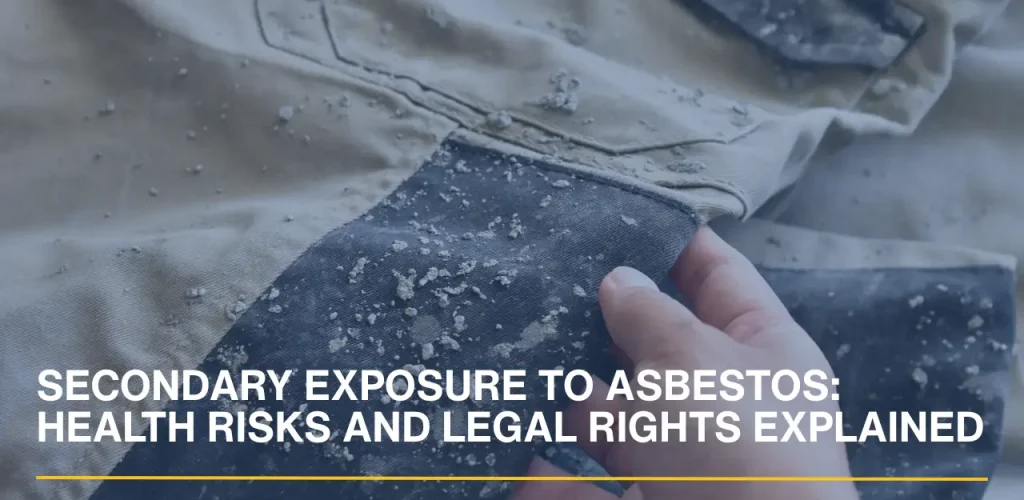
Did you know that over 1.3 million workers in the U.S. are exposed to asbestos on the job, and their families could be at risk, too? Secondary exposure to asbestos happens when someone inhales or comes into contact with asbestos fibers carried home on clothing or hair. This often-overlooked issue poses significant health risks and leaves families grappling with devastating consequences.
Were you exposed in California? See our focused guide on California take-home (secondary) asbestos exposure claims.

Many individuals are unaware of their rights and the potential for compensation related to secondary exposure. In this article, you will learn about the health implications of such exposure, your legal rights as a victim, and the steps necessary to determine your eligibility for compensation.
We’ll cover key points, including the hazards associated with secondary exposure, the compensation claims process, and hear real stories from families affected. By the end, you’ll have essential knowledge to help protect your family and navigate this complex issue confidently.
What is Secondary Exposure to Asbestos?
Secondary exposure to asbestos occurs when individuals come into contact with asbestos fibers carried home by primary occupants, typically those who work in jobs that involve asbestos. An example is a family member of a construction worker who unknowingly brings the fibers home on their clothing or in their hair.
This type of exposure is particularly concerning because it allows asbestos particles to affect individuals who have never been directly involved in handling asbestos materials. Unlike primary exposure, which happens when someone works directly with asbestos, secondary exposure can pose significant health risks, especially to vulnerable groups like children or elderly family members.
Health implications from secondary exposure can be severe, including a risk of developing diseases such as mesothelioma. If you suspect that you or a loved one has been affected by secondary exposure, it’s crucial to seek guidance. Understanding your legal rights and the possibility of compensation is vital.
At Danziger & De Llano, we offer compassionate legal support for families dealing with the impact of asbestos exposure. We’re here to help you navigate your options.
Health Implications of Secondary Asbestos Exposure
Secondary exposure to asbestos can have serious health implications, especially for those who may not have directly handled the material. This type of exposure usually occurs when someone inhales asbestos fibers brought home on the clothing, hair, or skin of a worker who has been in contact with asbestos.
“Disturbing asbestos-containing materials can release tiny fibers into the air. Breathing asbestos can cause tiny asbestos fibers to get stuck in the lungs and irritate lung tissues. Breathing these fibers can increase the risk of serious health problems.” – Agency for Toxic Substances and Disease Registry (ATSDR)
Individuals affected by secondary exposure often face a range of health risks. Many develop symptoms that may not appear until years later. Common issues include:
- Shortness of breath: Difficulty breathing may become noticeable over time.
- Persistent cough: A dry, chronic cough can develop, which may worsen.
- Chest pain: Discomfort in the chest region can signal serious conditions.
One of the most severe consequences of asbestos exposure is the development of mesothelioma, a type of cancer that primarily affects the lining of the lungs. Understanding these health risks is crucial, as it highlights the need for vigilance.
If you suspect that you or a loved one has been affected by secondary exposure to asbestos, it’s important to seek legal consultation to explore your options. Danziger & De Llano is here to support you through this challenging journey.
Understanding the Legal Rights of Victims
If you or someone you care about has been affected by secondary exposure to asbestos, it’s important to understand your legal rights. Secondary exposure can occur when individuals come into contact with asbestos through someone close to them, often through contaminated clothing or household items.
Your Rights as a Victim

Under the law, victims of secondary asbestos exposure have the right to pursue compensation. This can help cover medical expenses, lost wages, and other related costs. Here are some important legal rights you should know:
- Your right to file a claim against the responsible parties.
- Your right to receive fair compensation for your suffering.
- Your right to consult with a specialized mesothelioma lawyer for guidance.
Seeking Legal Support
Many families dealing with secondary exposure may not know where to turn. Seeking legal consultation is a crucial step. An experienced attorney can evaluate your case and help clarify your options, making the complex legal process easier for you.
At Danziger & De Llano, we’re here to support you every step of the way…
How to Determine Eligibility for Compensation
Understanding your eligibility for compensation related to secondary exposure to asbestos is crucial. Many families may not realize that they can qualify for compensation if someone they love has been affected by asbestos exposure.
Assessing Your Situation
First, consider how the asbestos exposure occurred. Did a family member work in an industry involving asbestos, such as construction or shipbuilding? If so, the dust from their clothing could have affected you or your family members.
Health Implications
It’s essential to understand the health implications of secondary exposure. Symptoms might not appear for years. When assessing your health, look for any unusual respiratory issues or signs of mesothelioma.
Steps to Pursue a Claim
- Document the exposure: Gather details about where and how the exposure occurred.
- Consult an experienced attorney: They can evaluate your case and guide you through the legal process.
- Consider medical evaluations: Having medical records supporting your claims can strengthen your case.
Reaching out for legal support can feel overwhelming, but remember, you don’t have to navigate this alone. The Danziger & De Llano team is here to provide compassionate guidance every step of the way.
Steps to Take If You Suspect Secondary Exposure
If you believe you have been affected by secondary exposure to asbestos, it’s important to take proactive steps to protect your health and legal rights.
1. Recognize the Signs
Be aware of any symptoms like persistent coughing, chest pain, or shortness of breath. While these symptoms can result from various conditions, they are important to note if you suspect asbestos exposure.
2. Document Your History
Gather information about potential exposure, including your relationship to the asbestos source. Take note of where you may have been exposed, like at home or through someone who worked in an asbestos-related profession.
3. Seek Medical Advice
Consult a healthcare professional for an assessment. They can offer guidance, conduct tests, and help you understand your health status regarding asbestos exposure.
4. Consider Legal Consultation
Reach out to a specialized attorney like those at Danziger & De Llano. We can help you understand your rights and guide you through the possible compensation claims available for secondary exposure.
Taking these steps can empower you and your loved ones during this challenging time. Remember, you’re not alone, and support is available.
Navigating the Compensation Claims Process
If you or a loved one has experienced secondary exposure to asbestos, understanding how to file a compensation claim is essential. This process can seem overwhelming, but with the right support, you can navigate it effectively.
Identifying Your Eligibility for Compensation
Confirming your eligibility is crucial. Secondary exposure typically happens when someone working with asbestos unknowingly transfers fibers home on their clothing or skin. If you or a family member has received a diagnosis of an asbestos-related illness due to this exposure, you may have grounds for a valid claim.
Documenting Your Case
Gather necessary documentation to support your claim. This includes medical records that confirm your diagnosis, evidence of asbestos exposure like the primary worker’s employment records, and personal statements detailing the health effects and impacts on daily life. These documents are vital in linking your exposure to health issues.
Understanding the Claims Timelines
While filing timelines vary, it is critical to act quickly due to legal deadlines. Consulting with our experienced team allows for personalized guidance throughout the claims process. We’re here to support you at every step of this journey.
Real Stories: Families Affected by Secondary Exposure
Many families are unaware of the dangers of secondary exposure to asbestos. This form of exposure occurs when asbestos fibers are inadvertently carried home on clothing or through dust. Below are real stories illustrating the significant impact this exposure can have.
The Martinez Family’s Struggle
Maria Martinez learned the hard way about the risks of secondary exposure to asbestos when her husband, who worked at a construction site, brought home dust from his work. Over time, he suffered severe respiratory issues and was ultimately diagnosed with mesothelioma. In this challenging time, Maria sought help from Danziger & De Llano, who provided not only legal guidance but also emotional support to navigate this daunting journey.
The Roberts Family Insight
John Roberts, a factory worker, often hugged his children after work. Years later, both children exhibited symptoms linked to asbestos exposure. Danziger & De Llano guided John through the complexities of claims, ensuring he understood their rights. The support offered was crucial during this distressing chapter.
Understanding Your Rights
If you or a loved one has experienced secondary exposure to asbestos, it’s vital to understand your legal rights. Seeking consultation can help secure the necessary support for you and your family.
Frequently Asked Questions about Secondary Asbestos Exposure
Many families worry about secondary exposure to asbestos, especially if a loved one worked in industries known for asbestos use.
What is secondary exposure to asbestos?
Secondary exposure occurs when someone inhales asbestos fibers brought home on clothing or skin by a worker. This can affect family members, especially spouses and children.
How does secondary asbestos exposure affect health?
It can lead to serious health issues, including mesothelioma. Symptoms may not appear for decades, making it crucial to stay vigilant about health changes.
What legal options are available for victims of secondary exposure?
Victims might qualify for compensation through lawsuits or trust funds. Consulting a qualified attorney can help uncover available options.
What should I do if I suspect secondary exposure in my family?
Seek medical advice and consider reaching out to a legal expert to explore your rights and possible compensation.
Prevention: Protecting Your Family from Secondary Exposure
Understanding Secondary Exposure
Secondary exposure to asbestos occurs when fibers from work clothing or equipment cling to a worker’s hair or skin, allowing contaminants to be brought home. This unintentional transfer poses severe health risks to family members, increasing the risk of serious illnesses such as mesothelioma.
Effective Preventive Measures
To safeguard your family, follow these critical steps: Change your work clothes before entering your home and store them in a securely sealed bag. Shower thoroughly to eliminate any asbestos fibers and minimize your family’s exposure. Opt for damp cleaning methods around the home to reduce airborne asbestos particles, increasing safety for your loved ones.
Legal Rights and Assistance
If there is concern about potential exposure, seeking legal advice is essential. A specialized attorney can guide affected families through compensation claims and ensure rights are protected, securing necessary support for affected families.
Next Steps: Seeking Legal Support for Asbestos Exposure Issues

If you or a loved one has faced secondary exposure to asbestos, seeking legal support is crucial. This exposure typically occurs when individuals are indirectly affected by asbestos…often through family members working in asbestos-related industries. Understanding your legal rights is essential for navigating this process effectively.
Why is Legal Support Necessary?
At Danziger & De Llano, our dedicated team is ready to guide you through your legal journey. We specialize in cases involving secondary exposure and are familiar with the nuanced legal options for victims. Here’s why reaching out is important:
Comprehensive Legal Guidance
Our skilled attorneys clarify your rights and determine eligibility for compensation linked to secondary exposure. Each case presents unique challenges. Our strategies are tailored to ensure fair outcomes.
No Upfront Fees
With our policy of ‘no fees unless we win,’ you can focus on your recovery without financial stress. Protecting your family’s future starts with a call to discuss your case. Contact us today to explore your options and receive the support you deserve.
Legal Disclaimer
The information provided is for educational and informational purposes only. The information on this website is not intended as legal advice and should not be used as a substitute for consulting a licensed attorney. Legal outcomes and laws can vary by jurisdiction, and only a qualified lawyer can provide guidance tailored to your situation.